
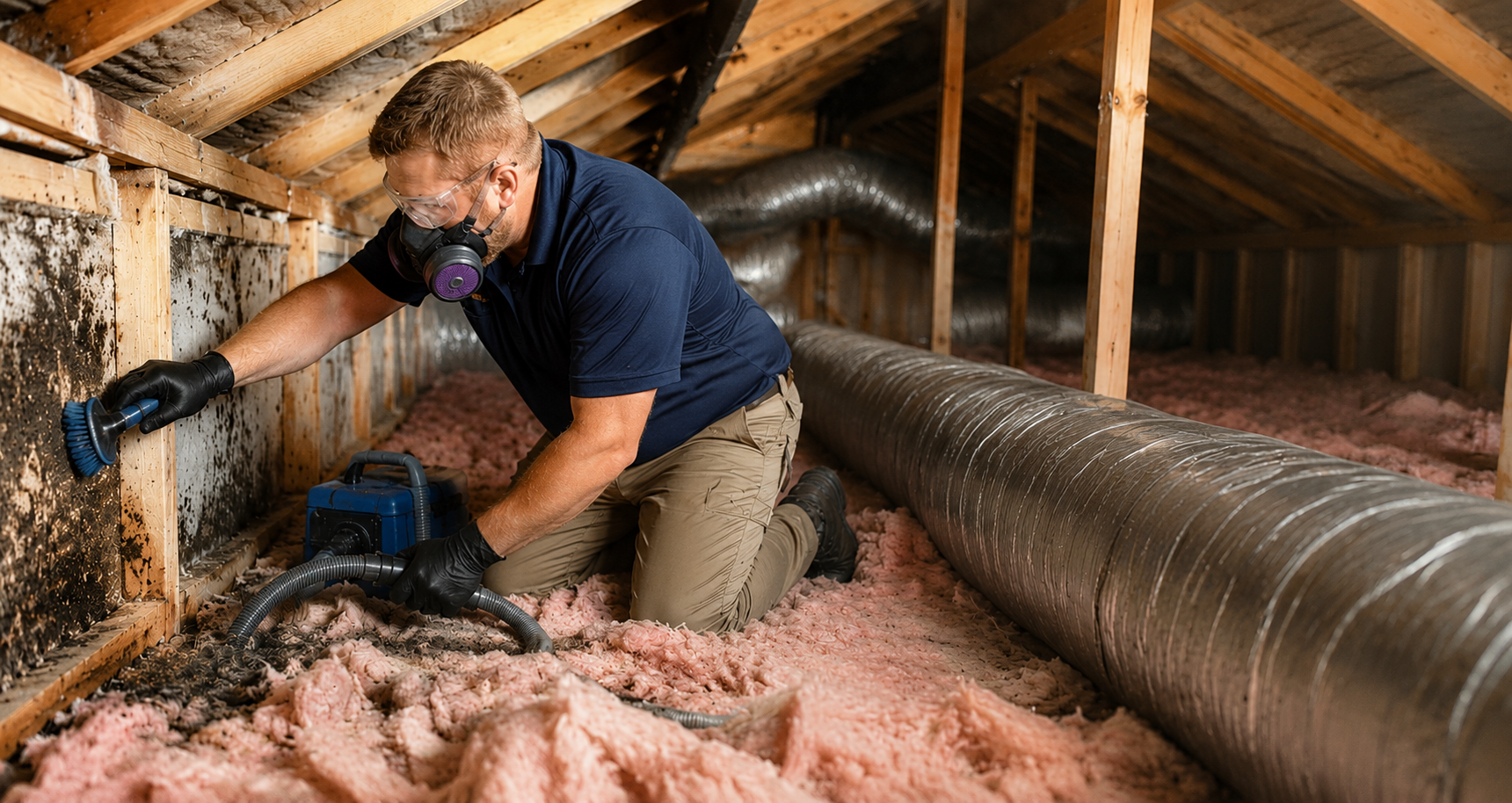
Mold Remediation
A careful, containment-first process designed to identify hidden mold, protect unaffected areas, and restore a safer indoor environment.
Serving Southeastern PA, DE, and NJ.
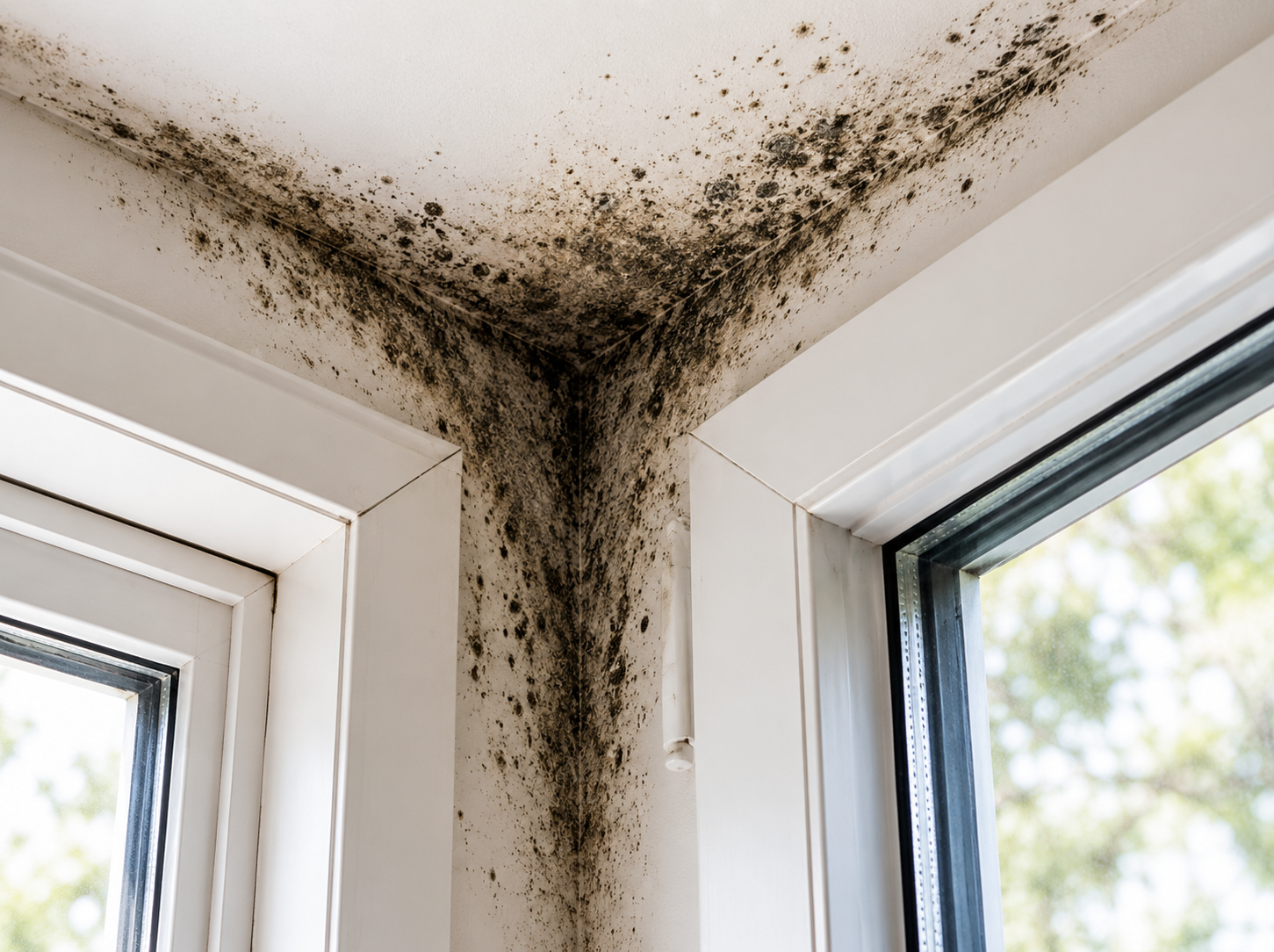
Mold is Often a Symptom of a Deeper Moisture Problem
Mold commonly develops in water-damaged buildings when moisture meets organic materials such as wood, drywall, paper, and other building components.
Left untreated, mold can contribute to indoor air quality concerns, structural damage, financial loss, and ongoing discomfort for occupants.

We Understand This is Personal
Many of our clients are referred by local functional and integrative medicine providers because someone in the home is experiencing health concerns related to mold exposure.
If you or a loved one is experiencing health complications as a result of mold, reach out. We can help.
Our “containment first” remediation process is safe and effective.
Containment
1
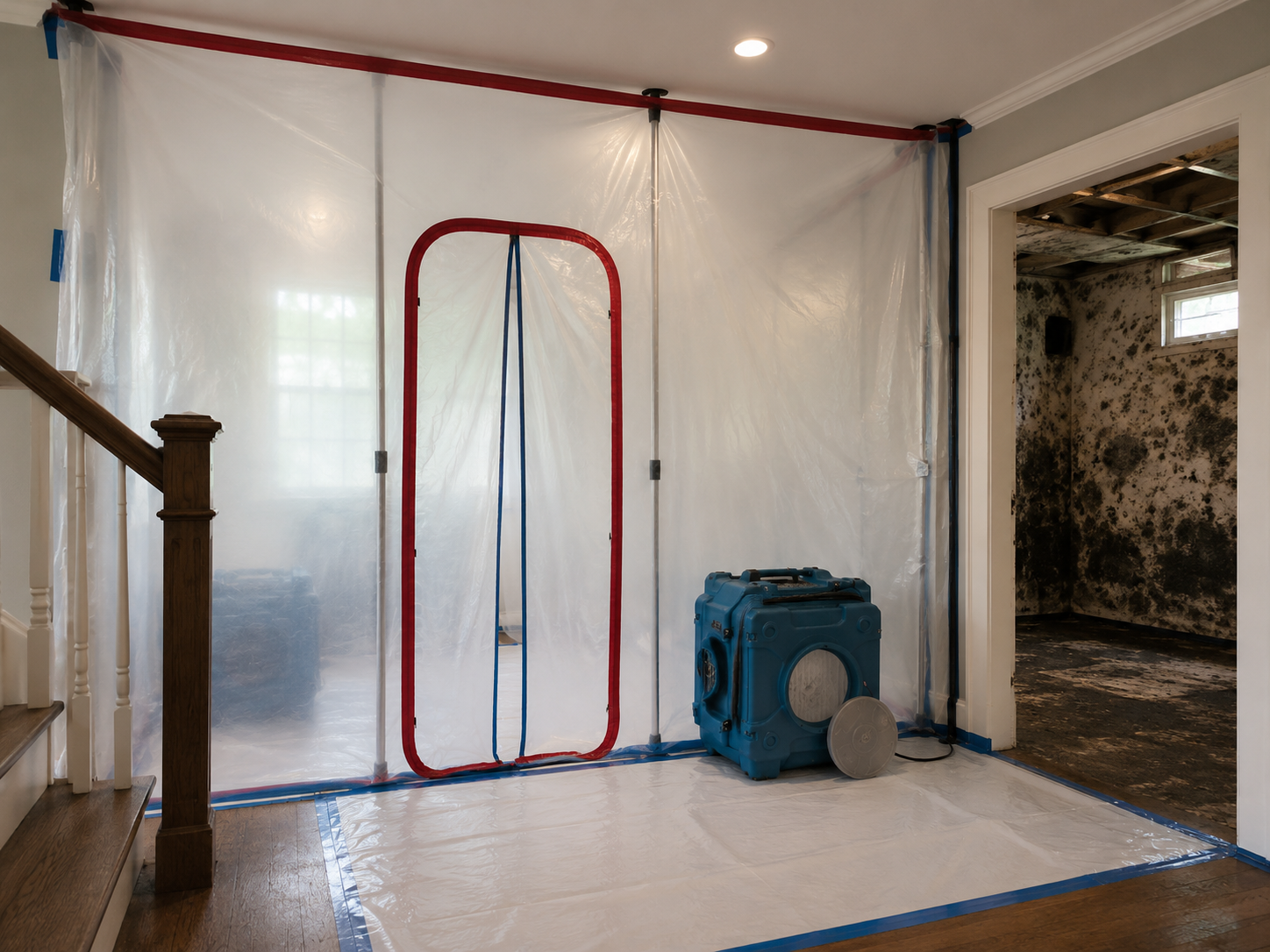
Containment is the first step in protecting the rest of your home or building.
Before remediation begins, we isolate the affected area with protective barriers and negative air pressure to help prevent mold spores, dust, and debris from spreading into clean spaces.
Removal
2
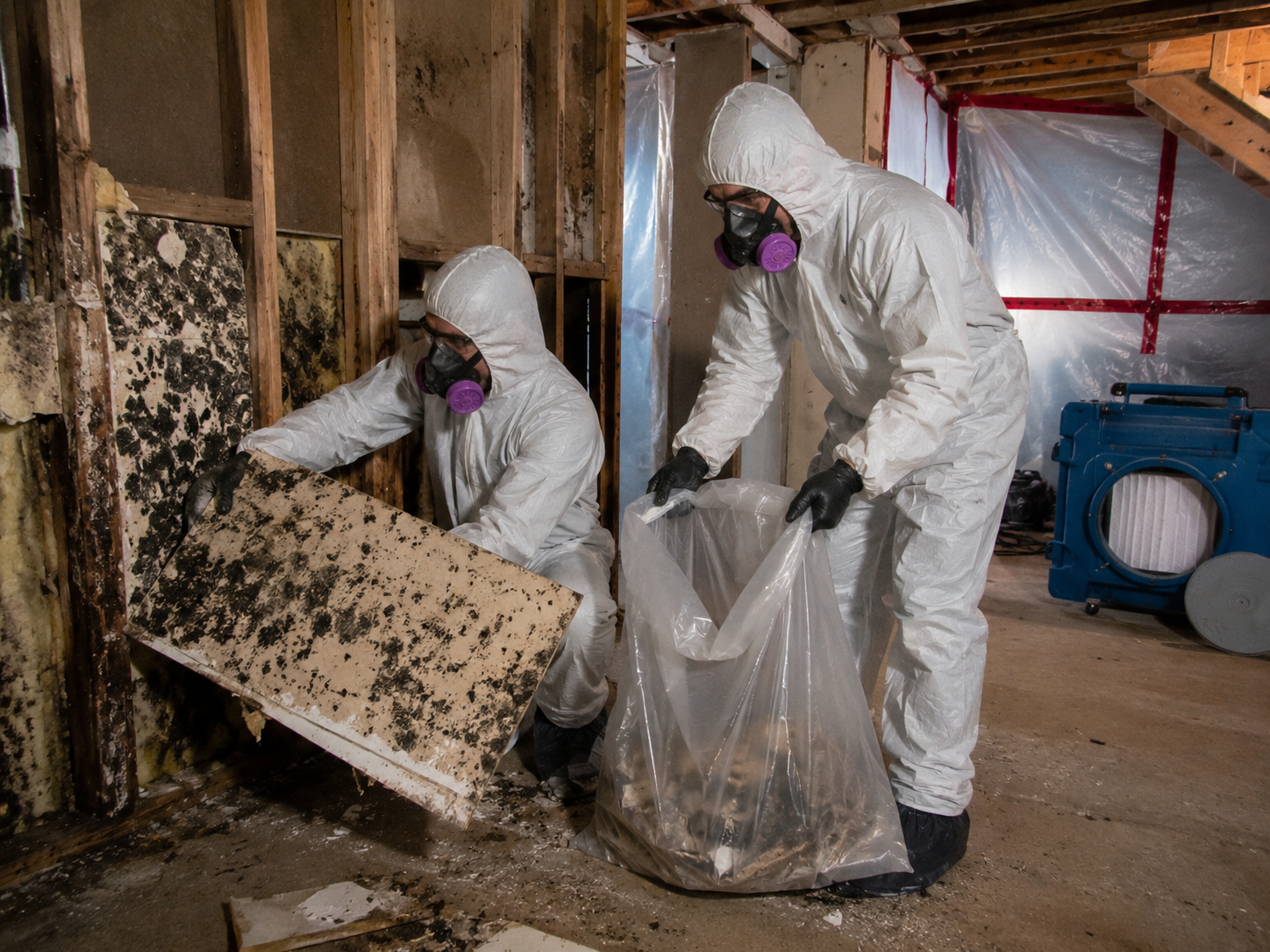
Mold-impacted materials are carefully removed when cleaning alone is not enough.
Drywall, insulation, trim, flooring, or other affected materials may be removed until visible mold growth is no longer present. Materials are bagged and sealed to help prevent cross-contamination during disposal.
HEPA Vacuuming
3
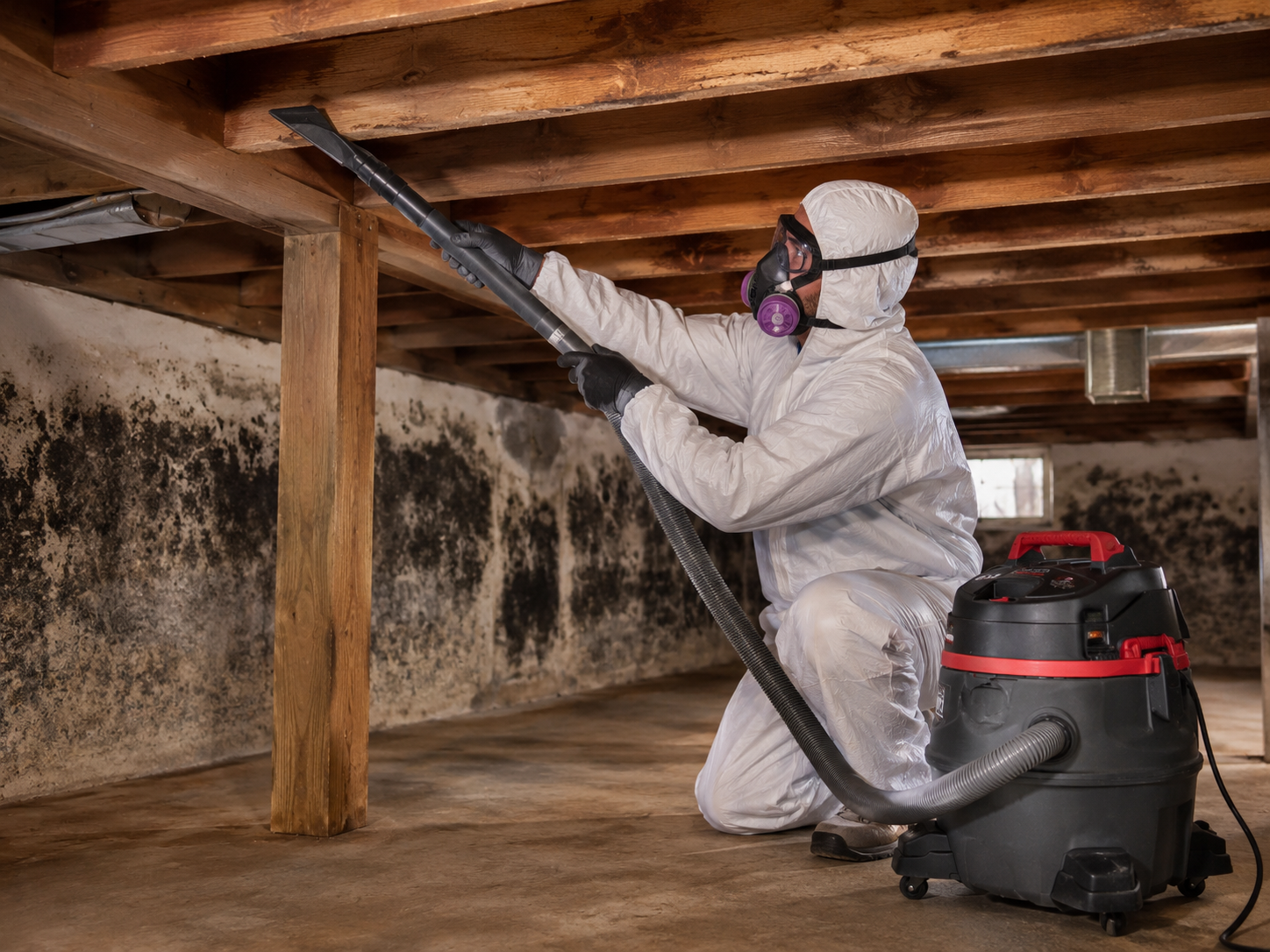
After removal, affected surfaces are thoroughly HEPA vacuumed.
We use HEPA filtration to remove remaining dust, mold spores, and loose particulate from walls, ceilings, floors, joists, rafters, subfloors, and other accessible surfaces before treatment begins.
Air Scrubbing & Clearance Testing
5
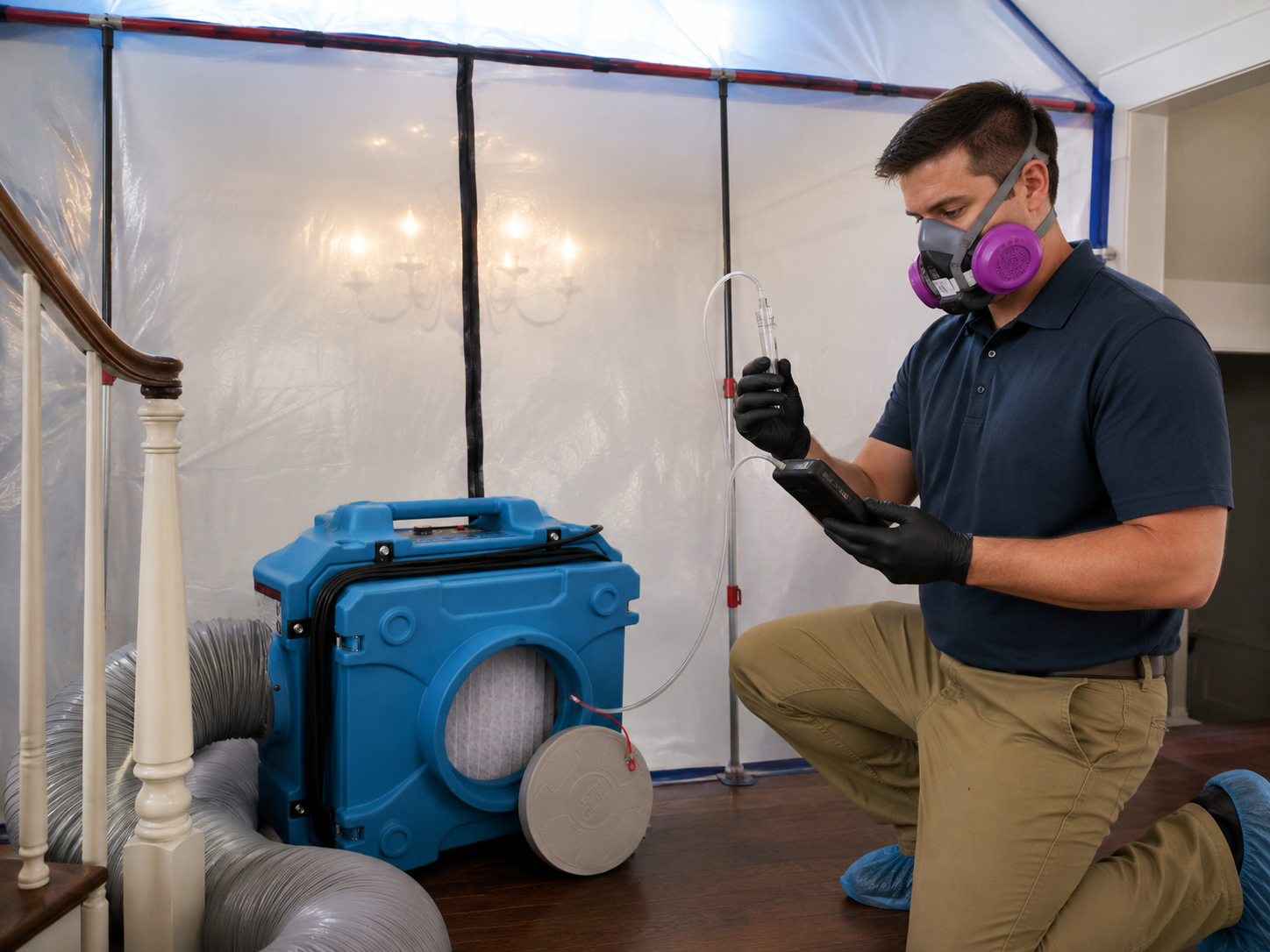
Air scrubbers help clean the air after remediation is complete.
Following treatment, air scrubbers are used to capture remaining airborne particles. When needed, post-remediation clearance testing is completed through a third-party laboratory to verify results.
Treatment
4
Vapor Barriers
6
After removal, affected surfaces are thoroughly HEPA vacuumed.
We use HEPA filtration to remove remaining dust, mold spores, and loose particulate from walls, ceilings, floors, joists, rafters, subfloors, and other accessible surfaces before treatment begins.
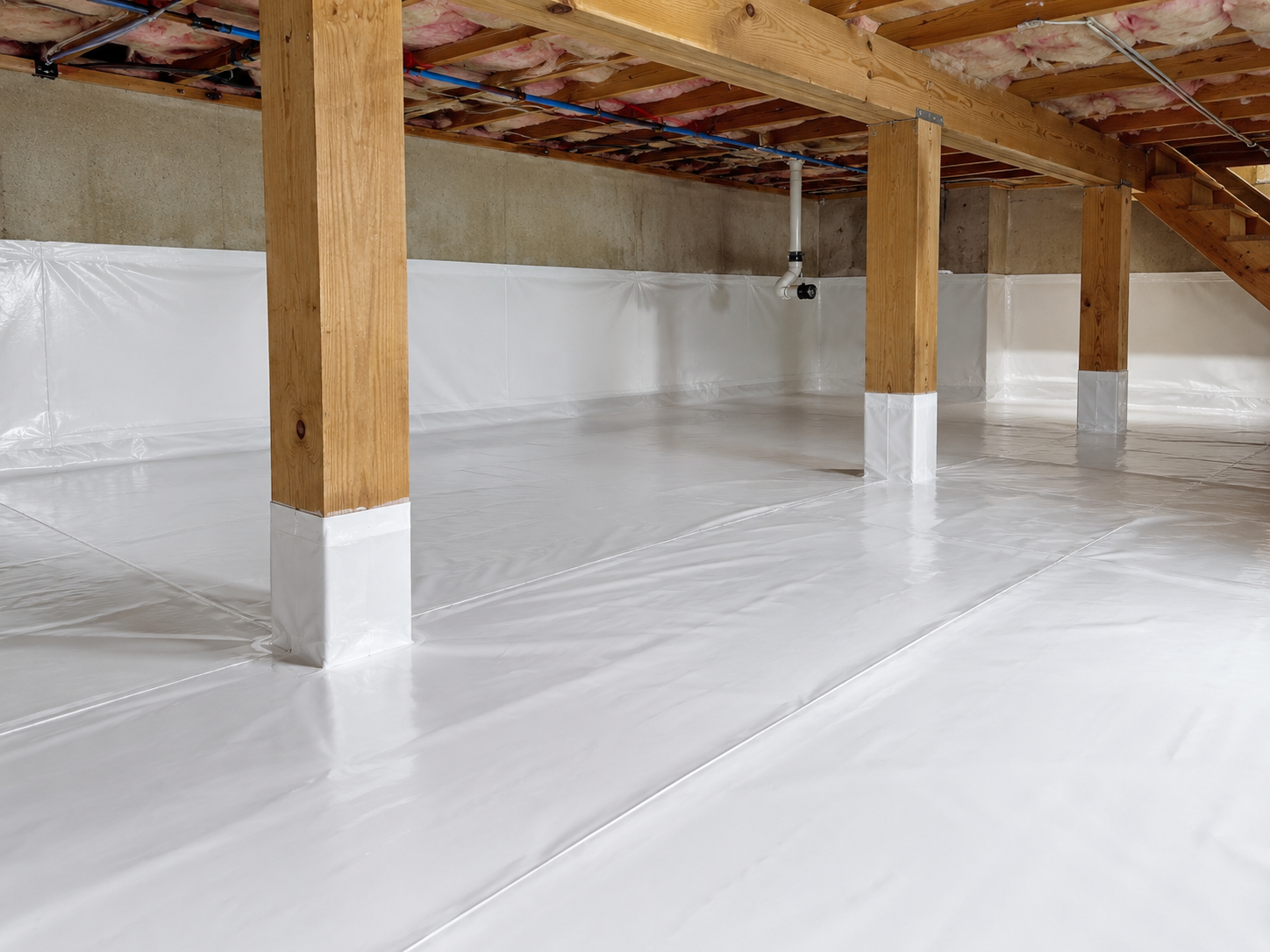
Moisture control is key to preventing future mold growth.
In crawl spaces and other vulnerable areas, vapor barriers can help reduce moisture from the ground and protect structural materials from conditions that may support mold growth.
-
![]()
Containment
-
![]()
Removal
-
![]()
HEPA Vacuuming
-
![]()
Treatment
-
![]()
Air Scrubbing & Testing
-
![]()
Vapor Barriers
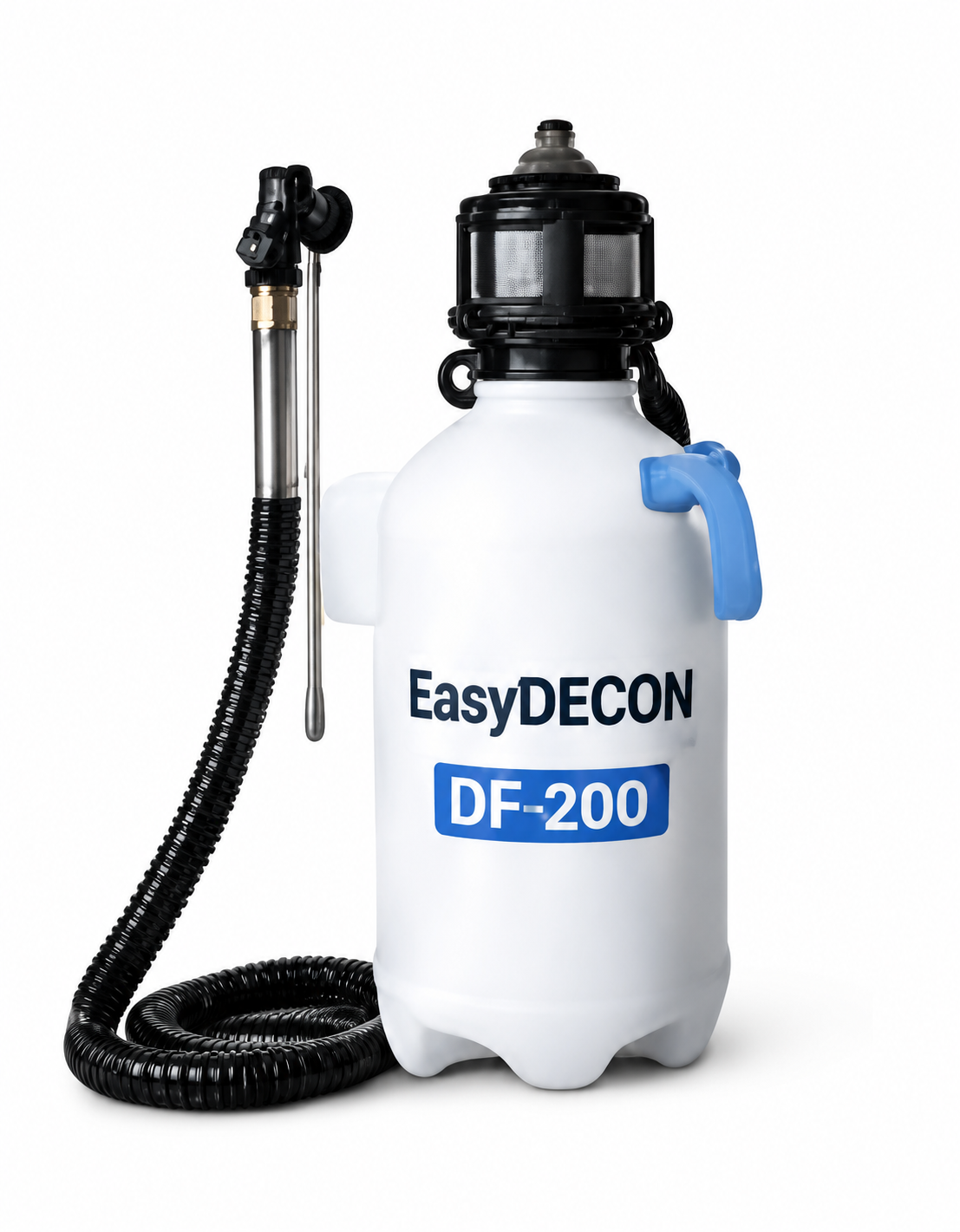
Advanced Treatment with EasyDECON (DF-200)
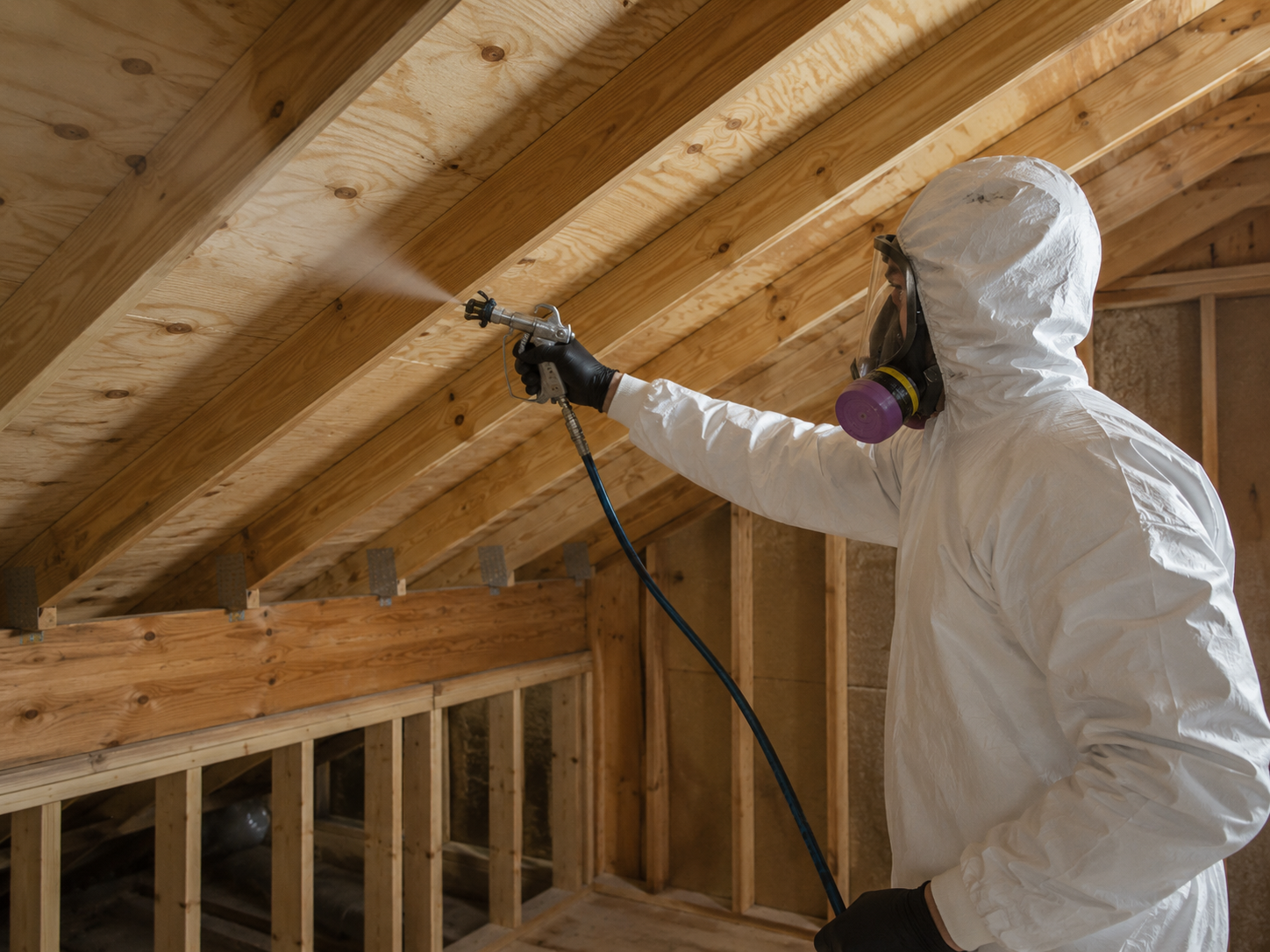
As part of our integrated remediation approach, Mond N’ More uses EasyDECON (DF-200) to treat affected surfaces after impacted materials have been removed and HEPA vacuuming has been completed.

We Help You Prevent the Mold From Coming Back
Remediation is only part of the solution. We also help identify moisture-control strategies, ventiliation improvements, building envelope concerns, and other recommendations that can reduce the likelihood of recurrance.
What people are saying.
-
After months of unexplained symptoms, we finally realized mold might be part of the problem. Mold N’ More treated our situation with urgency, care, and professionalism. They understood this wasn’t just about our house but about our family’s health.
— Former Client
-
After our basement flooded, we were worried about hidden moisture and future mold growth. Mold N’ More responded quickly, explained what needed to happen, and helped us create a clear plan for cleanup, treatment, and prevention.
— Former Customer
-
We were referred to Mold N’ More because someone in our home was experiencing health concerns connected to mold exposure. Their team was thorough, respectful, and careful from the first inspection through remediation. We felt informed and supported every step of the way.
— Former Customer